
Best HydraFacial in Bangalore | Augusté Skin Facial Bangalore
Wheatish Skin Tone: Meaning, Shades & Skincare
Learn what wheatish skin means, its different shades, skincare tips, makeup, foundation, and colors that complement your natural skin tone.

Table of Contents
Wheatish skin is a medium skin tone that can range from light golden and beige to medium brown shades. The term is commonly used to describe a complexion with warm, neutral, or sometimes olive undertones.
If you have wheatish skin, understanding your wheatish skin tone, undertone, and natural complexion can make it easier to choose skincare products, foundation, makeup, hair colors, and clothing shades that complement you.
In this guide, we explain what wheatish skin means, different wheatish skin tone shades, skincare tips, makeup ideas, foundation choices, and ways to care for your natural complexion.
What is Wheatish Skin?
Wheatish skin is an informal term used to describe a medium complexion that may have beige, golden, yellow, or light-to-medium brown tones.
The exact appearance can vary from person to person depending on genetics, natural pigmentation, sun exposure, and undertones.
Some people have a light wheatish skin tone, while others have a deeper wheatish brown skin tone. The term does not describe one exact shade.
Wheatish skin can have:
- Warm or golden undertones
- Neutral undertones
- Olive undertones
- Light to medium-brown surface tones
- Different levels of tanning and pigmentation
What Does Wheatish Skin Mean?
When people ask “what does wheatish skin mean?”, they are usually referring to a medium complexion that falls somewhere between very fair and deeper brown skin tones.
However, “wheatish” is not a medical classification. Skin tones exist across a broad spectrum, so two people described as having wheatish skin may look quite different.
What Is Wheatish Complexion?
A wheatish complexion generally refers to a medium skin tone with beige, golden, yellow, olive, or light-brown characteristics.
You may see terms such as:
- Fair wheatish
- Wheatish fair
- Light wheatish skin tone
- Wheatish brown
- Wheatish brown skin tone
- Fair to wheatish skin tone
These descriptions are informal and can overlap. Your natural complexion is influenced by genetics and pigmentation, so there is no single standard shade of wheatish skin.
Wheatish Skin Tone Shades
Wheatish skin is not limited to one color. It can range from lighter to deeper medium shades.
1. Light Wheatish Skin Tone
A light wheatish skin tone usually has a light beige, golden, or warm appearance. Depending on the undertone, it may look closer to fair skin or a light-medium complexion.
2. Fair to Wheatish Skin Tone
A fair to wheatish skin tone falls between very fair and medium shades. It may have a warm, golden, or neutral appearance.
3. Medium Wheatish Skin Tone
Medium wheatish skin usually has a more noticeable beige, golden, or medium-brown appearance. Warm and neutral undertones are common.
4. Wheatish Brown Skin Tone
A wheatish brown skin tone is a deeper version of the wheatish complexion. It may appear golden-brown, medium-brown, or olive-brown depending on the person’s undertone.
There is no need to fit your complexion into one exact category. Natural skin tones vary widely, and your undertone can be more useful when selecting makeup than the label “wheatish.”
Wheatish Skin Tone Images: How to Understand Your Shade
Looking at wheatish skin tone images can help you understand the range of shades commonly described as wheatish. However, photographs can look different because of lighting, camera settings, filters, and screen brightness.
When comparing your skin tone, look at your skin in natural daylight without makeup or filters.
For this page, consider adding original images showing:
- Light wheatish skin tone
- Fair to wheatish skin tone
- Wheatish brown skin tone
- Different wheatish skin undertones
- Foundation shades for wheatish skin
How to Identify Your Wheatish Skin Undertone
Your skin tone and undertone are different.
Your skin tone describes how light or deep your complexion appears, while your undertone refers to the subtle color underneath the surface of your skin.
Common undertones include:
Warm Undertone
Your skin may have golden, yellow, or peachy characteristics.
Neutral Undertone
Your skin may have a balance of warm and cool characteristics.
Olive Undertone
Your skin may have subtle greenish or golden tones.
Knowing your undertone can make choosing foundation, blush, lipstick, and clothing colors easier.
Daily Skincare Routine for Wheatish Skin
A simple and consistent routine can help maintain healthy-looking, even-toned skin.
Morning Routine
- Cleanser
Use a gentle cleanser suited to your skin type. If your skin is oily or acne-prone, a cleanser formulated for excess oil may be appropriate.
- Serum
Choose a serum based on your skin concerns. Ingredients such as niacinamide or vitamin C are commonly used in skincare routines for uneven-looking skin tone.
For more guidance, read our article on the best serum for glowing skin.
- Moisturizer
Use a lightweight, non-comedogenic moisturizer if you have oily or combination skin. Drier skin may benefit from a richer moisturizer.
- Sunscreen
Apply a broad-spectrum sunscreen every morning. Sun exposure can contribute to tanning, pigmentation, and premature skin ageing.
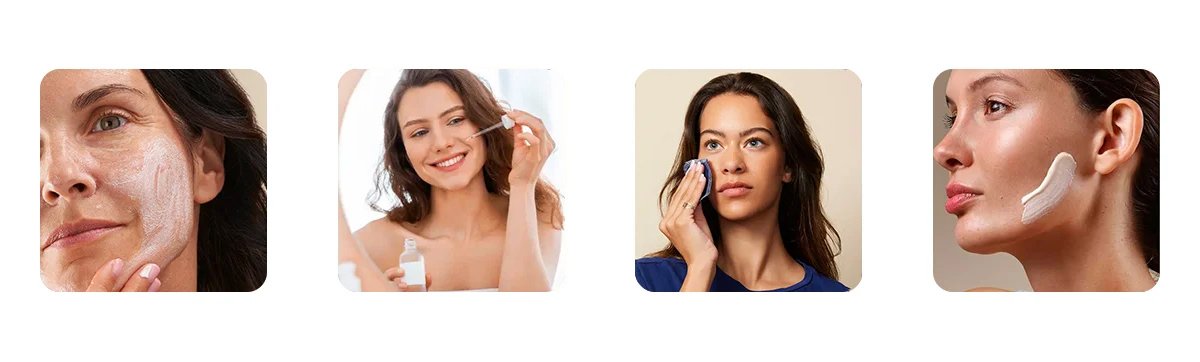
Night Routine
At night:
- Cleanse your face
- Remove makeup and sunscreen properly
- Apply a suitable treatment serum
- Moisturize your skin
- Use treatment ingredients according to your skin type and professional advice
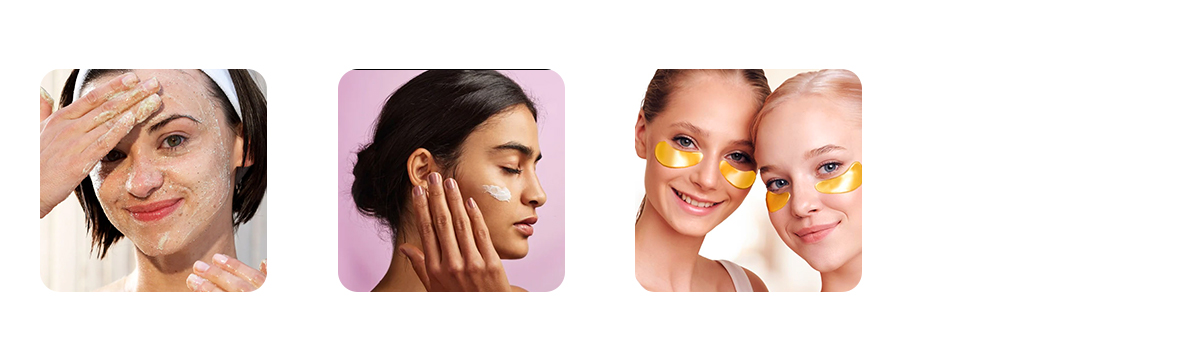
Skincare Tips for Wheatish Skin
1. Cleanse Gently
Cleanse your face twice a day if it suits your skin type. Avoid harsh products that leave your skin feeling tight or dry.
For acne-prone skin, ingredients such as salicylic acid may be useful when appropriately formulated.
2. Exfoliate Carefully
Exfoliation can help remove dead skin cells, but too much exfoliation may irritate the skin.
Depending on your skin type and product, gentle chemical exfoliation may be used once or twice a week. Avoid aggressive scrubbing.
3. Keep Your Skin Hydrated
Use a moisturizer that suits your skin type. Well-hydrated skin can look smoother and more comfortable.
4. Use Sunscreen Every Day
Sun protection is particularly important if you are concerned about tanning or uneven pigmentation.
Choose a broad-spectrum sunscreen and apply it as directed. Learn more about the benefits of sunscreen on the face.
5. Avoid Overloading Your Routine
Using too many active ingredients at once can irritate your skin. Introduce new products gradually and pay attention to how your skin responds.
Best Skincare Ingredients for Wheatish Skin
There is no single ingredient that is specifically required for wheatish skin. The right ingredients depend on your individual skin type and concerns.
| Ingredient | Common skincare purpose |
|---|---|
Vitamin C |
Supports a brighter, more even-looking complexion |
Niacinamide |
Supports the skin barrier and helps improve uneven-looking skin |
Hyaluronic Acid |
Helps attract and retain moisture |
Aloe Vera | Provides soothing and hydrating benefits |
Licorice Root Extract |
Commonly used in products targeting uneven pigmentation |
Sunscreen |
Helps protect skin from UV-related damage and pigmentation |
If you are interested in licorice-based skincare, you can also read our guide to liquorice powder benefits and uses.
For vitamin C information, you can refer to the NIH Office of Dietary Supplements.
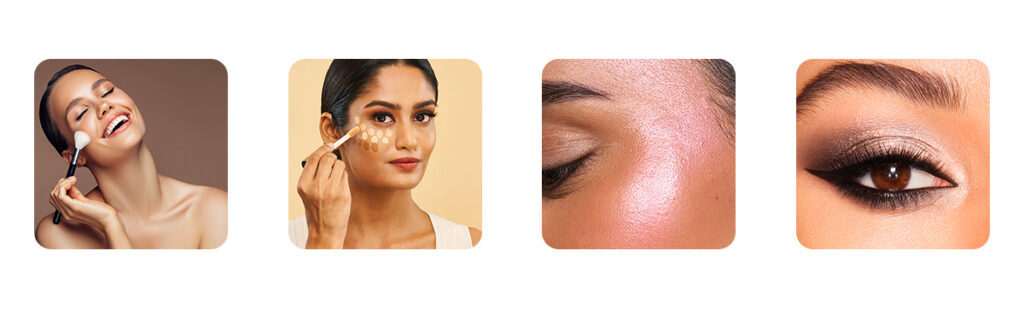
Makeup Tips for Wheatish Skin Tone
The best makeup shades depend on your exact complexion and undertone. Rather than choosing a foundation simply because it is labelled “wheatish,” test shades against your skin in natural lighting.
Foundation for Wheatish Skin Tone
When choosing a foundation for wheatish skin tone, look for a shade that closely matches your face and neck.
Depending on your complexion and undertone, shades described as:
- Warm beige
- Golden beige
- Honey
- Golden sand
- Medium tan
- Neutral beige
may be worth testing.
Avoid choosing a foundation that is significantly lighter than your natural skin tone just to make the complexion look fairer. A close match generally creates a more natural finish.
You can explore foundation options from Nykaa.
2. Concealer
For blemishes, a concealer close to your foundation shade can provide a natural finish.
For under-eye areas, a slightly lighter shade may help brighten the area. Peach or orange color correctors may be useful for certain types of dark circles, depending on your skin tone.
3. Blush and Highlighter
Peach, coral, terracotta, rose, and warm pink shades can complement many wheatish complexions.
4. Highlighter
Gold, champagne, and bronze highlighters can work well with warm undertones. If you have a neutral undertone, test both warm and neutral shades to see what looks most natural.
5. Lipstick Colors
Popular lipstick options for wheatish skin include:
- Brown-toned nude
- Peach nude
- Coral
- Terracotta
- Burnt orange
- Mauve
- Berry
- Deep red
- Wine
The best shade ultimately depends on your undertone and personal style.
6. Eyeshadow
Bronze, copper, gold, brown, olive, and earthy shades can complement many wheatish complexions.
Colors for Wheatish Skin Tone: Clothing Ideas
If you are looking for the best color for a wheatish skin tone, start with shades that complement your undertone rather than following strict rules.
Colors That May Complement Wheatish Skin
- Mustard
- Olive green
- Coral
- Maroon
- Rust
- Royal blue
- Burgundy
- Chocolate brown
- Cream
- Off-white
- Terracotta
What About White and Pastel Colors?
You do not necessarily need to avoid white, grey, or pastel shades. The effect depends on the exact shade, your undertone, lighting, and personal styling.
If a particular color makes your complexion look washed out, try a slightly warmer or deeper version of the same color.
Hair Color Ideas That Match Wheatish Skin
Hair color can also change how your complexion appears.
| Hair Color | How it may complement wheatish skin |
|---|---|
Chocolate Brown |
Creates a warm, natural contrast |
Caramel Highlights |
Adds warmth and dimension |
Chestnut brown |
Works well with many warm complexions |
Auburn | Can complement golden undertones |
Burgundy |
Creates a deeper contrast |
Honey highlights |
Adds a warm, brighter effect |
Balayage |
Allows a gradual blend of multiple shades |
Warm brown, chocolate, caramel, chestnut, and selected burgundy shades are popular choices.
You can explore hair color options from Streax.
Natural Face Packs for Wheatish Skin
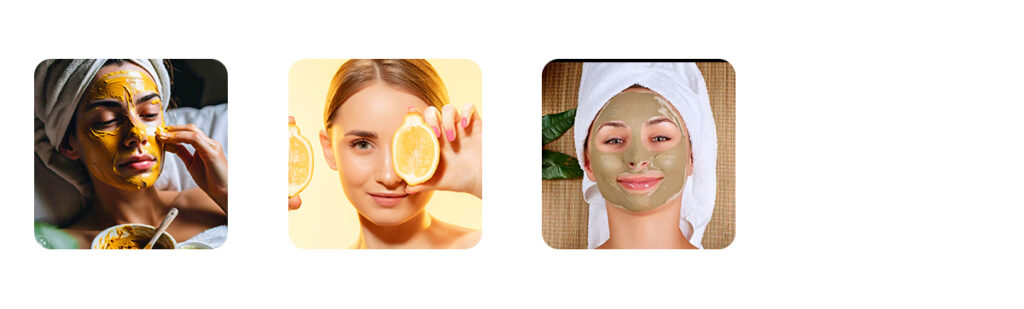
Simple home skincare should be approached carefully. Natural ingredients can still cause irritation or allergic reactions.
Turmeric and Curd
A simple turmeric and curd mixture is traditionally used in some home skincare routines. If you try it, patch-test first and avoid applying it to irritated or broken skin.
Multani Mitti
Multani mitti is commonly used in traditional skincare, particularly for oily skin. It can absorb excess oil, but frequent use may be drying.
Avoid Applying Lemon Directly to Your Face
Although lemon is often recommended in homemade remedies for pigmentation, applying lemon juice directly to facial skin can cause irritation and make some skin concerns worse.
For persistent pigmentation, it is better to use products formulated for facial skin or consult a qualified skincare professional.
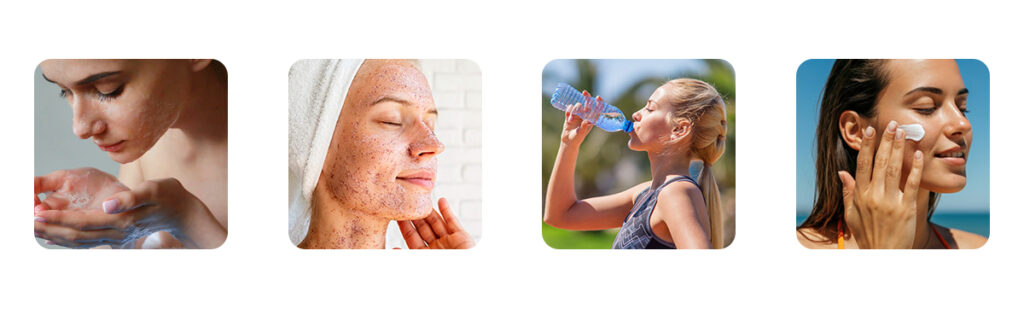
Common Skin Concerns With Wheatish Skin
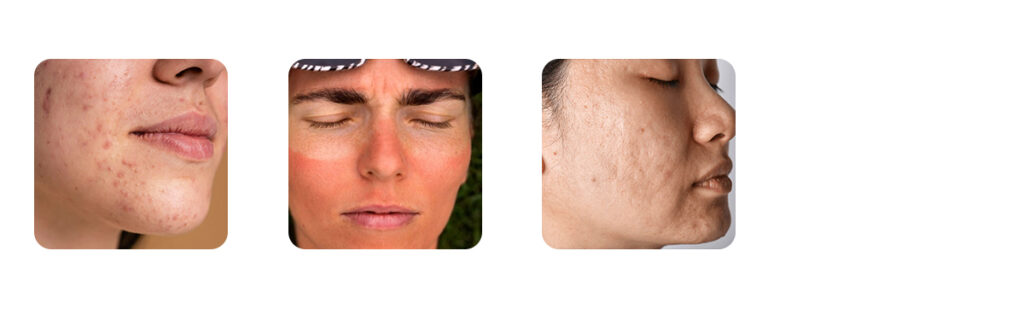
Wheatish skin itself is not a skin problem. However, people with any skin tone can experience tanning, pigmentation, acne, acne marks, dryness, or uneven skin tone.
Hyperpigmentation
Dark patches or uneven pigmentation can occur due to sun exposure, acne, hormonal changes, inflammation, and other factors.
A routine containing appropriate skincare ingredients and daily sun protection can help manage some forms of uneven pigmentation.
If pigmentation continues despite a consistent routine, read our guide to pigmentation treatment in Bangalore.
Tanning
UV exposure can increase melanin production and make the skin appear darker or more uneven.
Regular sunscreen use, protective clothing, and avoiding excessive sun exposure can help reduce UV-related tanning.
Acne Marks
Acne can sometimes leave dark marks after the inflammation has healed. This is particularly noticeable when there is a contrast between the mark and surrounding skin.
If acne marks persist, professional treatment options may be considered based on your skin type and the cause of the pigmentation.
Professional Treatments for Uneven Skin Tone
Skincare products are not always enough for concerns such as persistent pigmentation, acne scars, uneven texture, or tanning.
Depending on the condition, a qualified skin professional may recommend treatments such as:
- Professional facials
- Chemical peels
- Laser-based treatments
- Microneedling
- Other clinically appropriate procedures
The right treatment depends on your skin condition, medical history, pigmentation type, and individual goals. Professional assessment is important before choosing a procedure.
How to Make Wheatish Skin Look Healthy and Glowing
You do not need to change your natural complexion to have healthy-looking skin.
Focus on:
- Daily sun protection
- Consistent cleansing
- Regular moisturization
- Appropriate skincare actives
- Adequate hydration
- A balanced lifestyle
- Avoiding unnecessary harsh treatments
- Getting professional advice for persistent skin concerns
Healthy-looking skin is more about maintaining the skin barrier and addressing specific concerns than trying to become lighter.
Embracing Your Natural Wheatish Skin Tone
Your natural skin tone is part of your appearance and does not need to be changed to fit a particular beauty standard.
Understanding your undertone can help you choose makeup, clothing, and hair colors that you personally enjoy. A good skincare routine can also help your skin look healthier, smoother, and more even.
Final Thoughts
Wheatish skin tone includes a wide range of natural complexions, from light wheatish and fair-to-wheatish shades to deeper wheatish brown tones.
Understanding your wheatish skin tone, undertone, and individual skin concerns can help you choose suitable skincare, makeup, foundation, hair colors, and clothing shades.
Instead of trying to change your natural complexion, focus on protecting your skin, maintaining a consistent routine, and choosing products that work for your individual needs.
Allow your wheatish skin to shine naturally.
Frequently Asked Questions About Wheatish Skin
The terms “wheatish” and “dusky” are informal descriptions and do not have strict medical definitions. Some people use wheatish for medium or golden complexions and dusky for deeper brown complexions, but the terms can overlap.
Wheatish skin generally refers to a medium complexion with beige, golden, yellow, olive, or light-to-medium brown characteristics. The exact shade varies from person to person.
A wheatish complexion is an informal description for a medium skin tone that may have warm, neutral, or olive undertones. There is no single shade that defines wheatish skin.
Yes. Wheatish skin is universally admired for its balance of warmth and glow. It suits a wide range of fashion and beauty styles.
Your natural skin tone is largely determined by genetics and cannot simply be changed through skincare. However, tanning and uneven pigmentation may sometimes be reduced with sun protection and appropriate skincare.
The best foundation depends on your exact skin tone and undertone. Warm beige, golden beige, honey, golden sand, and neutral beige may be suitable for some wheatish complexions, but always test the shade against your skin before purchasing.
Mustard, olive, coral, maroon, rust, royal blue, burgundy, chocolate brown, cream, and terracotta can complement many wheatish complexions. Your undertone and personal preference should also guide your choice.
Beauty is subjective, and there is no single skin tone that determines attractiveness. Wheatish skin comes in many natural shades and can be complemented by a wide range of makeup, clothing, and hair colors.