
Best HydraFacial in Bangalore | Augusté Skin Facial Bangalore
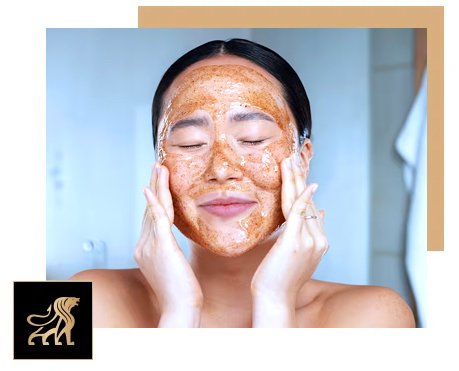
Exfoliation is one of the most repeated pieces of skincare advice — and also one of the most commonly misunderstood. Scrubs, acids, brushes, peels: the options span a wide range, and choosing the wrong one for your skin type can do more harm than good. Here’s how the two main categories actually differ, and how to figure out which one your skin needs.
What Exfoliation Actually Does
According to the American Academy of Dermatology, exfoliation is the process of removing dead skin cells from the outer layer of skin, and board-certified dermatologists recommend choosing a method based on your specific skin type rather than assuming one approach works for everyone. Done well, exfoliation can improve texture, help unclog pores, and allow other skincare products to absorb better. Done poorly — too frequently, or with the wrong method for your skin — it can damage the skin barrier and cause irritation, redness, or even worsen pigmentation.
Physical (Mechanical) Exfoliation
Physical exfoliation uses a scrub, brush, or textured cloth to manually remove dead skin cells from the surface.
Best for: Normal to oily skin, rougher texture, and those who want an immediate, tactile “polish” effect.
Works well for:
- Removing built-up dead skin on the body (not just the face)
- A quick pre-makeup texture smoothing step
- People whose skin tolerates gentle manual friction well

Downsides: Can be too abrasive for sensitive, acne-prone, or thin skin. Overdoing it — scrubbing too hard or too often — can create micro-tears in the skin barrier, leading to irritation and sometimes worsening the very texture issues it’s meant to fix.
Chemical Exfoliation
Chemical exfoliation uses acids — AHAs (glycolic, lactic), BHAs (salicylic), or enzyme-based formulas — to dissolve the bonds holding dead skin cells together, allowing them to shed naturally.
Best for: Acne-prone skin, pigmentation, uneven tone, and those wanting more consistent, controllable results.
Works well for:
- Congested, acne-prone skin (salicylic acid penetrates oil-clogged pores)
- Pigmentation and dullness (glycolic and lactic acid encourage cell turnover)
- Sensitive skin, when the right mild formulation and concentration is chosen

Downsides: Can cause sun sensitivity, so sunscreen becomes non-negotiable. Using too high a concentration, or layering too many active ingredients at once, can lead to over-exfoliation.
Side-by-Side Comparison
Factor | Physical Exfoliation | Chemical Exfoliation |
How it works | Manual removal via scrub/brush | Acids dissolve dead cell bonds |
Best for | Normal/oily skin, body exfoliation | Acne, pigmentation, uneven tone |
Sensitive skin | Higher irritation risk | Generally gentler if formulated correctly |
Sun sensitivity | Minimal | Increased — sunscreen essential |
Consistency of results | Variable, depends on technique | More predictable, dose-controlled |
How Often Should You Actually Exfoliate?
This is the most commonly searched question about exfoliation, and the honest answer is: it depends on your skin type and method, not a fixed universal number. GoodRx notes that exfoliation frequency should vary based on skin type, existing skin conditions, and personal goals — someone with oily, resilient skin may tolerate more frequent exfoliation than someone with dry or sensitive skin, and pushing past what your skin can handle is what leads to irritation rather than the improvement you’re after.
The Most Common Mistake: Over-Exfoliating
Whether physical or chemical, the single biggest cause of exfoliation-related skin problems is doing it too often or combining too many exfoliating products at once — a scrub, an acid toner, and a retinol in the same routine, for example. Signs of over-exfoliation include persistent redness, a tight or stinging feeling, increased sensitivity to products that never used to irritate you, and sometimes an uptick in breakouts as the skin barrier struggles to recover. If any of these sound familiar, it’s usually a sign to scale back rather than push through. A Genesis Healthcare System overview of exfoliation echoes this, pointing out that people with drier or more sensitive skin generally do better with gentler methods and lower-concentration chemical exfoliants, rather than reaching for the strongest option available.
Can You Use Both?
Yes, but not typically in the same session. Many skincare routines alternate — for example, a gentle physical exfoliation once a week for body or rougher areas, and a chemical exfoliant a few times a week for the face. The right combination depends heavily on skin type and current skin condition, which is exactly where a professional assessment is more useful than guessing based on what worked for someone else.
When to Move Beyond At-Home Exfoliation
If you’ve been exfoliating consistently at home and still aren’t seeing the texture, tone, or clarity improvements you’re after, that’s usually a sign the concern needs a stronger, more controlled approach than a home product can safely deliver. This is where professional chemical peels and microneedling come in — they use higher, dermatologist-supervised concentrations and techniques that go deeper than any at-home routine.
How Augusté Skin Can Help
If your at-home exfoliation routine has plateaued, or you’re not sure which method suits your skin, a professional assessment can clarify what’s actually needed. Depending on your skin’s concern, that could include:
- Hollywood Baby Peel — a gentle, dermatologist-administered chemical exfoliation for surface pigmentation and dullness
- BioRePeel — a deeper peel for more stubborn texture and tone concerns
- Dermapen 4 — for when the concern goes beyond surface exfoliation into deeper texture and scarring
- HydraFacial — combines gentle exfoliation with extraction and hydration in a single medical-grade session

Book a skin assessment with Augusté Skin →
Frequently Asked Questions
1. How often should I exfoliate my face?
It depends on the method and your skin type, but most dermatologists recommend starting with once or twice a week and adjusting based on how your skin responds.
2. Is chemical exfoliation safe for sensitive skin?
Often yes, when a mild formulation and lower concentration is chosen — in fact, chemical exfoliation is sometimes gentler on sensitive skin than physical scrubs.
3. Can over-exfoliating cause more pigmentation?
Yes — irritation from over-exfoliation can trigger post-inflammatory hyperpigmentation, especially on melanin-rich skin.
4. Should I stop exfoliating if my skin feels irritated?
Yes, scale back or pause entirely until your skin barrier recovers, then reintroduce more gradually with a gentler method.
Not sure whether your skin needs a physical or chemical approach — or something more? Book a consultation at Augusté Skin and get a routine actually built around your skin.