
Best HydraFacial in Bangalore | Augusté Skin Facial Bangalore
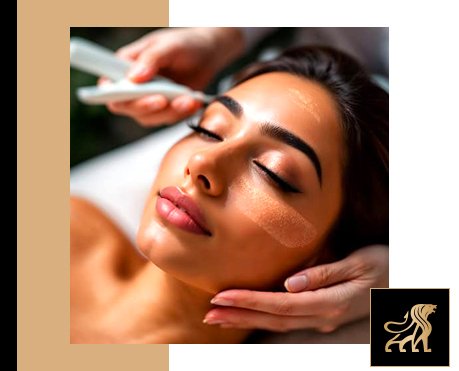
Pigmentation Treatment in Bangalore: What Actually Works (And What Doesn’t)
If you’ve tried brightening serums, home remedies, and over-the-counter creams for your pigmentation with little to no change, you’re not alone. Pigmentation is one of the most common — and most misunderstood — skin concerns among Indian skin types, and it rarely responds to surface-level fixes alone. Here’s what causes it, why it’s so stubborn, and how a proper pigmentation and tan removal treatment at Augusté Skin approaches it differently.
Why Pigmentation Is So Common in Bangalore
Indian skin — classified as Fitzpatrick Type IV–V — naturally produces more melanin, which makes it more reactive to triggers like sun exposure and inflammation. Combine that with Bangalore’s specific conditions, and pigmentation becomes almost inevitable for many:
- Year-round UV exposure, even on cloudy days, gradually darkens existing spots
- Long commutes and outdoor time increase cumulative sun damage
- Hormonal factors (including melasma) are common and often go undiagnosed
- Post-acne marks from breakouts left untreated turn into long-term discoloration

The result is uneven tone, dark patches, or a dull, tired complexion that doesn’t match how healthy your skin actually is underneath.
The Different Types of Pigmentation (And Why It Matters)
Not all pigmentation is the same, and treating the wrong type the wrong way can make it worse. Broadly, it falls into a few categories:
- Sun-induced pigmentation — brown spots from cumulative UV exposure
- Post-inflammatory hyperpigmentation (PIH) — dark marks left after acne, cuts, or irritation
- Melasma — hormonally-triggered, symmetrical patches, often on the cheeks or forehead, that require a more cautious, expert-led approach
- Freckles and genetic pigmentation — present from a young age, generally stable

A dermatologist-led assessment is important here because melasma, in particular, can worsen with aggressive treatments like harsh peels or high-intensity lasers if not handled correctly.
Why Over-the-Counter Products Often Fall Short
Most drugstore brightening creams work on the very top layer of skin. They may fade the appearance of pigmentation temporarily, but they rarely address melanin production at its source — which is why pigmentation often returns within weeks of stopping the product.
Professional treatments, by contrast, work at a deeper level: regulating melanin production, accelerating cell turnover, and in some cases, targeting pigment clusters directly.
How Pigmentation Is Treated at Augusté Skin
At Augusté Skin, pigmentation is never treated as a one-size-fits-all concern. Every consultation begins with identifying the type and depth of pigmentation before recommending a plan, which may include:
- Medical-grade peels to accelerate cell turnover and fade surface discoloration
- Customized brightening actives suited to your specific pigmentation type
- HydraFacial with brightening boosters for maintenance and glow between deeper treatments — see our HydraFacial treatment for details
- Combination approaches for melasma or deep-set pigmentation, where a gentler, more gradual protocol is essential
- Sun protection guidance, since without consistent SPF use, even the best in-clinic treatment will see results fade faster

For clients with related concerns like acne marks or textural changes, we often evaluate whether our acne and acne scars treatments should be part of the same plan.
In-Clinic Treatment vs. Home Remedies
Factor | Home Remedies / OTC Products | Professional Treatment |
Depth of action | Surface-level only | Works at deeper skin layers |
Melasma-safe | Often risky, unsupervised | Dermatologist-guided, cautious protocols |
Speed of results | Slow, inconsistent | Visible improvement in weeks |
Risk of worsening pigmentation | Higher with harsh actives | Lower, under professional supervision |
Longevity of results | Temporary | Longer-lasting with maintenance |
Why Dermatologist Supervision Matters for Pigmentation
Pigmentation treatments sit in a category where more isn’t always better — overly aggressive peels or lasers can trigger more pigmentation in Indian skin types if not calibrated correctly. This is why professional bodies like the American Academy of Dermatology recommend a proper diagnosis before starting any pigmentation treatment, rather than a generic, one-size-fits-all product or procedure.
At Augusté Skin, every pigmentation treatment plan is built around your skin’s actual condition — not guesswork.
Book your pigmentation consultation with Augusté Skin →
Frequently Asked Questions
1. How long does it take to see results for pigmentation?
Most clients notice visible improvement within 3–6 sessions, though melasma and deep-set pigmentation may require a longer, more gradual protocol.
2. Can pigmentation come back after treatment?
Yes, if sun protection and maintenance aren’t followed. Consistent SPF use is essential to preserving results long-term.
3. Is pigmentation treatment painful?
Most treatments, including peels and brightening facials, involve minimal to no discomfort, with little to no downtime depending on the protocol used.
4. Is it safe to treat melasma in-clinic?
Yes, but it requires a more cautious, expert-guided approach compared to sun-induced pigmentation — which is why a proper consultation matters before starting treatment.
Uneven tone or stubborn dark spots holding your skin back? Book your pigmentation consultation at Augusté Skin, Bangalore, and get a dermatologist’s assessment of what’s actually causing it.