
Best HydraFacial in Bangalore | Augusté Skin Facial Bangalore
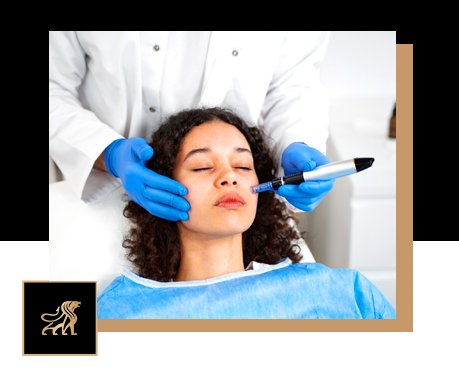
Exosome therapy has become one of the most talked-about treatments in aesthetic dermatology in the last couple of years, often marketed as a next-generation upgrade to microneedling and skin boosters. But between the marketing buzzwords and the actual science, it’s worth understanding what exosomes really do before deciding if the treatment is right for you.
What Exosomes Actually Are
Exosomes are tiny particles released by cells that act as messengers, carrying proteins, growth factors, and genetic material that help cells communicate with each other. In skin, this messaging system plays a role in how tissue repairs and regenerates itself. Instead of directly forcing collagen production the way microneedling does, exosome-based treatments work by signaling your skin cells to ramp up their own repair processes.
What the Research Actually Shows
Exosome therapy is genuinely promising, but it’s also newer than most other treatments on a typical clinic’s menu, so it’s worth understanding where the evidence currently stands. A review published in the Journal of Clinical and Aesthetic Dermatology notes that exosomes have shown promise in preclinical studies for anti-aging, anti-inflammatory, and wound-healing applications in aesthetic dermatology, but the same review is clear that large-scale clinical studies are still limited and that safety profiles are still being established.
In practice, this means exosome therapy is best understood as a genuinely promising, still-maturing treatment — not an unproven fad, but also not something with decades of clinical data behind it the way chemical peels or microneedling have.
What Exosome Therapy Is Typically Used For
- Post-procedure recovery — often layered on top of microneedling or laser treatments to potentially speed up healing and improve results
- Overall skin quality — texture, hydration, and radiance improvements reported anecdotally and in early studies
- Acne scarring — used alongside microneedling to support collagen remodeling
- General skin rejuvenation — positioned as a regenerative add-on for people already investing in an anti-aging or skin quality routine

It’s important to be clear: exosome therapy is rarely used as a standalone fix for a specific concern like deep pigmentation or significant scarring. It’s most commonly used as a complementary treatment that supports and potentially accelerates the results of other, more established procedures.
How It’s Typically Administered
Exosome treatments are usually applied topically or via microneedling, allowing the exosomes to reach deeper into the skin through the micro-channels created during the needling process. This is why exosome therapy is so often paired with Dermapen-style microneedling rather than used entirely on its own — the two treatments work together, with microneedling creating the access point and exosomes acting as the signal.
Who Should (and Shouldn’t) Consider It
Exosome therapy tends to be a good fit for people who are already getting microneedling or similar collagen-stimulating treatments and want to potentially enhance the results, or for those focused on general skin quality and radiance rather than one specific, severe concern. It’s less suited as a first-line treatment for deep scarring, significant pigmentation, or medical skin conditions, where more established treatments with a longer evidence base are usually the better starting point.
What to Expect at a Consultation
An exosome therapy consultation typically starts with understanding your existing skin concerns and treatment history, since exosomes are rarely recommended as a first or standalone step. Your provider will usually walk you through whether it makes sense to pair with microneedling or another procedure, what results are realistically achievable given the current evidence, and how it fits into a broader treatment plan rather than being sold as a stand-alone miracle fix.
How Augusté Skin Approaches Exosome Therapy
At Augusté Skin, exosome therapy is offered as part of a considered treatment plan rather than a blanket add-on. Depending on your skin’s needs, this could include:
- ASCE+ Derma Signal SRLV Exosomes — our exosome treatment, most often paired with microneedling to support collagen remodeling and accelerate recovery
- Frequently combined with Dermapen 4 for acne scarring and skin texture concerns
- Also used within our Acne & Acne Scars treatment line as a supportive step alongside more established procedures

Book a consultation with Augusté Skin →
Frequently Asked Questions
1. Is exosome therapy proven to work?
Early evidence is promising for skin quality, healing, and anti-aging applications, but large-scale clinical trials are still limited, so it’s best approached as a complementary treatment rather than a guaranteed fix.
2. Can exosome therapy replace microneedling?
No — it’s typically used alongside microneedling or similar treatments, not as a replacement, since the two work through different but complementary mechanisms.
3. Is it safe?
Reputable clinics use regulated, sourced exosome products administered by trained providers. As with any newer treatment, it’s worth discussing sourcing and safety directly with your provider.
4. How many sessions are usually needed?
This varies depending on what it’s paired with, but since it’s typically layered onto another treatment protocol, the session count generally follows that primary treatment’s schedule.
Curious whether exosome therapy fits your skin goals? Book a consultation at Augusté Skin for an honest assessment of whether it’s the right addition to your treatment plan.