
Best HydraFacial in Bangalore | Augusté Skin Facial Bangalore
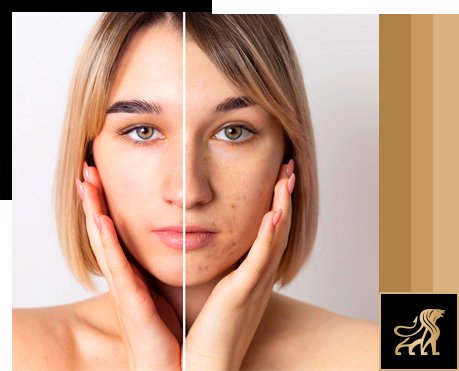
If you’ve searched for pigmentation treatment in Bangalore, you’ve probably already tried the usual first line of defense — a brightening cream, a home remedy, maybe a vitamin C serum from Instagram. And you’ve probably noticed the same pattern everyone does: it works for a few weeks, then the patches come right back, or barely fade at all.
That’s because pigmentation isn’t one condition. It’s a symptom with several different root causes, and the right fix depends entirely on which one you’re dealing with.
Why Pigmentation Is So Common in Bangalore
Nearly 80% of the Indian population deals with some form of pigmentation at one point or another, and Bangalore’s specific conditions make it worse:
- High UV exposure during commutes and outdoor time triggers melanin overproduction
- Pollution and dust cause inflammation that darkens over time (post-inflammatory hyperpigmentation)
- Hard water and harsh cleansers strip the skin barrier, making it more reactive to sun and irritation
- Hormonal factors — pregnancy, contraceptives, thyroid changes — commonly trigger melasma, especially on the cheeks, forehead, and upper lip

Because the triggers are different for each person, dermatologists don’t treat “pigmentation” as a single problem — they diagnose the type first, then match the treatment to it.
The Different Types of Pigmentation (And Why It Matters)
Type | What causes it | Where it typically shows up |
Melasma | Hormones, sun exposure, genetics | Cheeks, forehead, upper lip — symmetrical patches |
Post-inflammatory hyperpigmentation | Acne, injury, irritation | Wherever the skin was previously inflamed |
Sun spots/tan | UV exposure | Face, neck, hands, arms |
Freckles (ephelides) | Sun exposure + genetics, common in fairer skin | Nose, cheeks |
A cream that works for sun tan will do very little for melasma, and treating melasma too aggressively can actually trigger rebound pigmentation — which is why an accurate diagnosis matters more than the treatment itself.
Treatment Options Dermatologists Actually Use
- Chemical peels (glycolic, lactic, salicylic acid) — exfoliate the upper skin layers so pigmented cells shed faster and fresh, evenly-toned skin comes through. Requires multiple sessions spaced a few weeks apart.
- Laser toning — targets melanin directly; the pigment breaks down and clears naturally over the following weeks. Best for deeper or more stubborn pigmentation.
- Depigmentation programs (like Cosmelan®) — a structured, multi-week protocol specifically for melasma and stubborn pigmentation that hasn’t responded to creams or peels.
- Topical protocols — medical-grade brightening actives, used either standalone for mild cases or alongside in-clinic treatments to maintain results.
- Sun protection — non-negotiable throughout treatment, since pigment-prone skin re-darkens quickly without it.

For Indian skin specifically, laser settings and peel strength need to be carefully controlled — too aggressive, and you risk triggering more pigmentation instead of clearing it.
According to the American Academy of Dermatology, dermatologists typically start melasma treatment with prescription topical agents and broad-spectrum sun protection before considering more intensive procedures, since melasma tends to be chronic and prone to recurrence if the underlying triggers aren’t managed alongside the treatment itself.
Common Pigmentation Myths Worth Unlearning
A lot of the frustration people feel with pigmentation comes from following advice that isn’t suited to their specific case. A few of the most common myths worth clearing up:
- “Stronger creams work faster.” Higher concentrations of actives can irritate the skin and actually worsen pigmentation through inflammation, especially on melanin-rich skin.
- “Pigmentation is just cosmetic; it’ll go away on its own.” Some forms fade naturally with time and sun protection, but melasma and deeper post-inflammatory marks usually need active treatment and rarely resolve completely without it.
- “Natural remedies are always safer than in-clinic treatment.” Lemon juice, baking soda, and similar home remedies can disrupt the skin barrier and make pigmentation worse, not better.
- “Once it’s treated, it’s gone for good.” Pigmentation-prone skin stays pigmentation-prone. Maintenance and daily sun protection are what keep results from reversing.

How to Choose the Right Pigmentation Clinic in Bangalore
With dozens of clinics across the city offering “pigmentation treatment,” a few things are worth checking before you book:
- Is the treatment plan built around a diagnosis, or a fixed package? A clinic that recommends a treatment before examining your skin under proper lighting or a Wood’s lamp is skipping a step that actually matters.
- Is a dermatologist involved, or only an aesthetician? Diagnosing pigmentation type correctly is a medical assessment, not a cosmetic one.
- Does the clinic ask about your medical history? Hormonal medication, pregnancy, and thyroid conditions all change how pigmentation should be approached.
- Is there a maintenance plan, or just a one-time procedure? Since pigmentation — especially melasma — tends to recur, a good clinic will talk you through what happens after your sessions end, not just during them.
How Augusté Skin Approaches Pigmentation
Every pigmentation case at Augusté Skin starts with identifying the type and depth of pigmentation before any treatment is recommended — not the other way around. Depending on what your skin needs, that could mean:
- Hyperpigmentation & Tan Removal — our dedicated treatment line covering laser toning, peels, and brightening protocols
- WhiteLase® 5G Laser Toning — a gentle laser for pigmentation, melasma, tanning and overall brightness
- Cosmelan® — for resistant melasma and stubborn, longstanding pigmentation
- If breakouts are part of what’s triggering your pigmentation, it’s worth also looking at our acne and acne scars treatments, since treating active acne is often step one in stopping new pigmentation from forming

Book a pigmentation assessment with Augusté Skin →
What to Expect at Your First Visit
A pigmentation consultation typically involves checking pigment depth, skin type, and likely triggers (sun, hormones, inflammation) before any treatment is suggested. You may be asked to pause certain creams beforehand. Most in-clinic sessions take 30–45 minutes, involve mild warmth or tingling rather than pain, and results build gradually over several sessions — not overnight.
Life After Treatment: Keeping Pigmentation From Coming Back
Getting pigmentation under control is only half the process — keeping it that way is the other half, and it’s the part most people skip. A few habits dermatologists consistently recommend once your sessions are done:
- Daily broad-spectrum sunscreen, reapplied throughout the day if you’re outdoors, not just applied once in the morning
- Physical sun barriers — hats, scarves, umbrellas — during Bangalore’s peak UV hours, especially if you’re prone to melasma
- A gentle skincare routine that avoids over-exfoliating or introducing new active ingredients too quickly, since irritation is a common pigmentation trigger
- Scheduled follow-ups, even after your skin looks clear, so any early signs of recurrence can be caught and managed before they become visible patches again

Skipping this stage is the single biggest reason pigmentation treatments that worked initially seem to “fail” a few months later — the treatment didn’t fail, the maintenance did.
Frequently Asked Questions
1. How many sessions does pigmentation treatment usually take?
It depends on the type and depth of pigmentation, but most protocols involve multiple sessions spaced a few weeks apart rather than a single visit.
2. Is laser treatment safe for Indian skin tones?
Yes, when settings are calibrated correctly for your skin type. This is exactly why an in-person assessment matters more than picking a treatment off a menu.
3. Will pigmentation come back after treatment?
It can, especially without consistent sun protection. Most dermatologists build a maintenance plan into your treatment to reduce the chance of recurrence.
4. Can I treat melasma and sun tan with the same treatment?
Not usually the same protocol — melasma often needs a gentler, more controlled approach since aggressive treatment can trigger rebound pigmentation, while tan tends to respond well to peels and laser toning.
Not sure which type of pigmentation you’re dealing with? Book a consultation at Augusté Skin and get an assessment before you spend another few months on creams that aren’t working.