Best HydraFacial in Bangalore | Augusté Skin Facial Bangalore

Black Neck Treatment: Simple Tips for Clearer Skin

Discover easy and effective black neck treatment tips to remove dark patches, improve skin tone, and keep your neck clear and healthy.

black neck treatment main image
Table of Contents

Introduction

A dark or patchy neck is a common skin problem that many people notice but don’t often talk about. While most skincare focuses on the face, the neck is often ignored, even though it faces sun, sweat, dust, and friction every day.

Many people search for how do you get rid of a dark neck when they notice these changes. You can also explore additional skincare insights on beautybloombox.com and about.com for related beauty tips. Platforms like blogarama.com, iliveok.com, and steadyhealth.com also provide helpful guides on similar skin concerns.

For many, black neck treatment is not just about looks but also about feeling confident. The good news is that this problem can often be treated with the right care. Acting early can stop it from getting worse, and both home remedies and medical treatments can help improve it.

People also frequently ask how to get rid of dark neck, showing how common this concern is. Many don’t realize that the neck is a common area affected by skin condition issues, especially when sun exposure and skin on the neck are not cared for properly. Resources like malekah.info, malaysiabersuara.com, and podcasts-online.org also discuss common skincare misconceptions.

What is Black Neck?

In medical terms, one of the most common causes of a blackened or dark neck is Acanthosis Nigricans (AN) — a skin condition where the skin becomes darker, thicker, and sometimes velvety in texture. However, not every dark neck case is due to AN.
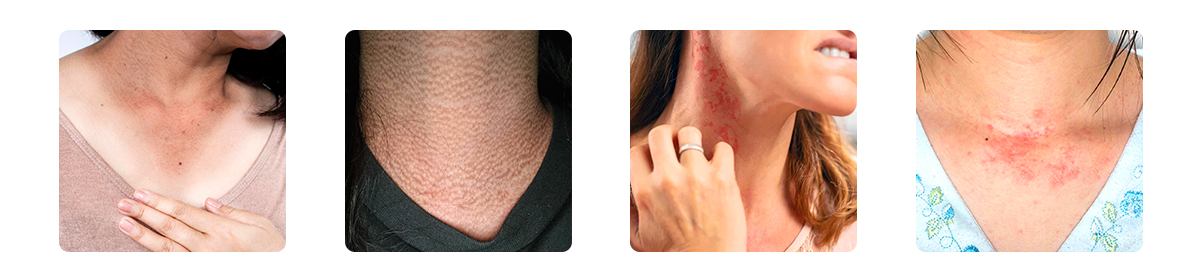
what is black neck

Some cases may also be linked to type 2 diabetes or insulin resistance, which can increase insulin levels in the body.Trusted health resources like medlineplus.gov, healthgrades.com, and eurekahealth.com offer more details about related medical conditions.

Other possible conditions include:

  • Hyperpigmentation from sun exposure or friction
  • Post-inflammatory marks from rashes or infections
  • Skin dryness and buildup of dead skin cells
  • Allergic reactions to skincare or perfumes
  • Rarely, drug-induced pigmentation or dermatitis neglecta (referenced on sites like almrsal.com and almalomat.com)

MYTHS:

Black neck means you don’t clean properly, and it’s a sign of poor hygiene. Many believe regular washing alone can prevent it.

But understanding how to get rid of black neck requires more than cleaning. In some cases, such as drug-induced pigmentation or dermatitis, neglecta needs proper treatment options instead of over-washing. Additional myth-busting info can be found on mawdoo3.com and mawdoo3.io.

Causes of Black Neck

A black neck can have multiple triggers — sometimes more than one at the same time. Here are the most common:

Lifestyle Factors

  • Obesity: Excess weight can cause skin folds, increasing friction and sweat buildup.
  • Poor hygiene: Not cleansing the neck properly can lead to the buildup of dead skin cells.
  • Prolonged sun exposure: UV rays can cause darkening and roughness, especially on the skin on the neck.

Medical Factors

  • Diabetes & insulin resistance: Acanthosis Nigricans is often linked to high insulin levels.
  • Thyroid disorders Can affect skin tone, and pigmentation.
  • Hormonal imbalances: PCOS, birth control and other hormonal shifts can cause pigmentation changes.

Some cases may be drug-induced and require proper evaluation.

Chronic conditions like type 2 diabetes can also lead to darker skin around the neck. For more, see zocdoc.com or manninghammedicalcentre.com.au.

Skin-Related Causes

  • Friction from clothing or jewellery
  • Use of harsh soaps or perfumes
  • Allergic skin reactions that affect the skin on the neck
  • Accumulation of dead skin cells

Genetic Factors

  • Family history of pigmentation disorders
  • Certain inherited medical conditions
  • Some people naturally have darker skin, which can make pigmentation more visible

For dermatology-focused explanations, websites like dermaarabia.com, dermapapageorgiou.gr.gr, and justinboey.com are helpful references.

Facts:

Many home remedies like lemon and honey, aloe vera gel, baking soda scrub, cucumber and rose water, or apple cider vinegar work well for mild cases and can help lighten the skin naturally, These remedies are often recommended for people searching for how to get rid of black around neck or how to rid of black neck. Or how to get rid of black neck. However, severe pigmentation or acanthosis nigricans requires proper treatment options. You may also explore supportive tips on mamaexpert.com, Dreye.vn, and list.ly.

Symptoms and Warning Signs

Early signs can be subtle, so catching them early helps in faster treatment.

  • Discoloration patterns: Gradual darkening of the skin folds or the back of the neck.
  • Texture changes: Skin feels thicker, rougher, or velvety, often seen in acanthosis nigricans
  • Itchiness or irritation: May accompany inflammation.

If these symptoms spread quickly or appear suddenly, consult a dermatologist immediately, as they can indicate underlying medical conditions such as type 2 diabetes or thyroid issues. Even Klarity. health, and Yahoo.com feature medical explanations related to skin conditions.

Home Remedies for Black Neck Treatment

Home remedies are great for mild cases or as supportive care alongside medical treatments. Many people begin with home care when looking for dark neck treatment options.

Lemon & Honey Pack

  • Why it works: Lemon’s vitamin C brightens skin, and helps lighten the skin, and honey moisturizes.
  • How to use: Mix 1 tsp lemon juice with 1 tsp honey, apply for 15 minutes
  • Caution: Avoid lemon if you have sensitive or darker skin or open cuts.

lemon and honey pack

Aloe Vera Gel Massage

  • Why it works: Soothes, hydrates, and lightens pigmentation.
  • How to use: Apply fresh aloe vera gel, massage for 5 minutes, leave for 20 minutes, rinse.

aleo vera gel

Baking Soda Scrub

  • Why it works: Gentle exfoliation removes dead skin cells.
  • How to use: Mix 2 tbsp baking soda with water to form a paste, and scrub gently twice a week.

baking soda scrub

Cucumber & Rose Water Mix

  • Why it works: Cooling effect, reduces redness, improves skin tone.
  • How to use: Blend cucumber juice with rose water, apply with cotton, leave for 15 minutes.

cucumber and rosewater mix

Apple Cider Vinegar (ACV)

  • Why it works: Balances skin’s pH and removes dead cells.
  • How to use: Mix equal parts ACV and water, apply for 5–10 minutes, rinse.
  • Caution: Always dilute to avoid irritation.

apple cider vinegar

Safety Precautions for Home Remedies

  • Patch test before applying any new remedy
  • Avoid harsh scrubbing — it can worsen pigmentation
  • Follow with sunscreen to protect new skin

Safety resources explaining home remedy precautions are also available on steadyhealth.com and eurekahealth.com.

Medical Treatments for Black Neck

If home remedies don’t give results in 4–6 weeks, consider professional treatments.

Topical Creams

  • Retinoids for skin renewal
  • Hydroquinone for pigmentation lightning
  • Vitamin C serums for brightening

topical creams

  • Uses mild acids to exfoliate and renew skin
  • Results in smoother, lighter skin over a few sessions

chemical peel

Laser Therapy

  • Targets melanin and reduces pigmentation
  • Best for stubborn, deep discoloration
  • Works best for persistent dark neck or darker skin patches

laser thearpy

Microdermabrasion

  • Exfoliates and polishes te skin surface
  • Removes dead upper layers of skin on the neck
  • Improves texture and tone

microdermabrasion

Prescription Medications

  • For underlying conditions like diabetes or hormonal imbalance

For expert medical advice, sites like zocdoc.com, manninghammedicalcentre.com.au, and eurekahealth.com are helpful.

Prevention Tips

  • Clean your neck daily with a gentle cleanser
  • Moisturize to avoid dryness and friction
  • Apply sunscreen on the neck too
  • Wear breathable fabrics to reduce sweat  in skin folds
  • Avoid heavy perfumes directly on the skin on neck

When to See a Doctor

Seek professional help if:

  • Discoloration spreads quickly
  • Skin becomes painful or itchy
  • You have other symptoms like weight changes or fatigue or signs of insulin resistance or medical conditions

A dermatologist can diagnose the root cause and suggest targeted treatment options, especially if you’re still unsure how to get rid of black neck or how to get rid of black around neck even after home care.

Conclusion

Black neck treatment is a mix of understanding the cause, following a consistent skincare routine, and making healthy lifestyle changes. Start with gentle home remedies, move to medical care if needed, and protect your skin daily to keep your neck clear and even-toned.

Remember — your neck deserves as much care as your face. Early attention means faster results and a confident, glowing you. Understanding how do you get rid of a dark neck and trying the right dark neck treatment options can help you see visible improvements, especially if family history, acanthosis nigricans, or medical conditions play a role.

FAQs

Yes, with the right treatment and prevention, results can be long-lasting.

Rarely. Most cases are harmless, but get checked to be sure.

Yes, often due to hormonal changes or obesity.