
Best HydraFacial in Bangalore | Augusté Skin Facial Bangalore
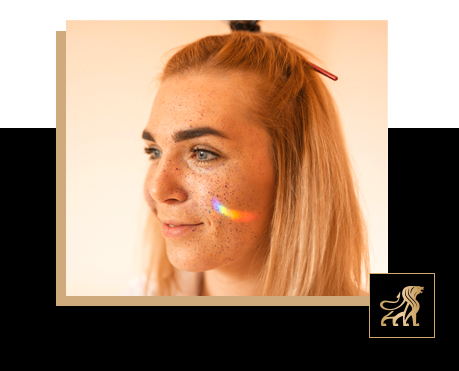
Pigmentation problems can be frustrating, especially when they seem to disappear for months and then suddenly return without warning. Many people assume they are doing something wrong with their skincare routine. In reality, the primary reason behind these changes is science. Seasonal pigmentation flare ups are directly linked to environmental changes and skin biology. At Auguste Skin, we understand these patterns deeply and approach pigmentation with knowledge, precision, and personalized care.
Skin is not static. It reacts continuously to temperature, humidity, sunlight, and internal health. What looks like random pigmentation is often a predictable response of melanocytes – the pigment-producing cells – to seasonal triggers. Understanding this connection is the first step toward long-term control and prevention.
Why Pigmentation Changes with Seasons
Human skin is highly sensitive to external influences. With every shift in climate, the skin undergoes subtle adjustments. These changes affect oil production, hydration levels, inflammation, and most importantly, melanin activity.
During different seasons, the following factors fluctuate:
- UV radiation levels
- Temperature and heat exposure
- Humidity
- Skin barrier strength
- Sweat and oil secretion
 Each of these plays a significant role in how pigmentation behaves. That is why many people experience perfectly clear skin in one season and sudden darkening in another.
Understanding the Role of Melanocytes
At the core of pigmentation lies the melanocyte. These specialized skin cells produce melanin to protect deeper layers from damage. While melanin is essential for skin defense, overproduction leads to dark patches, uneven tone, and stubborn pigmentation.
Melanocytes are extremely reactive. Even minor changes in:
- Sun exposure
- Heat
- Hormonal balance
- Inflammation
can trigger increased melanin production. This is why pigmentation flare-ups often feel sudden but are actually the result of gradual internal processes.
How Summer Intensifies Pigmentation
One of the most common triggers of seasonal pigmentation is increased UV exposure in warmer months. Even brief periods in the sun stimulate melanocytes to produce more pigment as a protective response.
Key Reasons Pigmentation Worsens in Summer:
- Higher intensity of UV rays
- Longer daylight hours
- More outdoor activity
- Increased sweating and oil production
- Heat-induced inflammation
 Even if visible sunburn does not occur, daily exposure adds up. People with melasma, acne marks, or post-inflammatory pigmentation are especially vulnerable.
Heat alone can also deepen pigmentation. High temperatures increase blood circulation and skin inflammation, both of which directly activate pigment cells. This explains why pigmentation often becomes darker in summer, even with regular sunscreen use.
Winter and Pigmentation: The Hidden Connection
Many believe winter is safe for pigmentation. However, cold weather brings its own challenges.
Low humidity and dry air weaken the skin barrier. A compromised barrier makes the skin more sensitive and reactive. Reactive skin is more prone to inflammation, and inflammation signals melanocytes to produce more pigment.
Common Winter Triggers Include:
- Excess dryness
- Overuse of harsh skincare
- Hot showers
- Reduced sunscreen use
- Sudden temperature transitions
 These factors create the perfect environment for old pigmentation to resurface or new patches to form.
Different Types of Pigmentation Behave Differently
Not all pigmentation is the same. Treating every dark spot with the same approach often leads to poor results or rebound pigmentation.
Pigment can exist at different levels:
- Epidermal pigmentation – on the surface, easier to treat
- Dermal pigmentation – deeper and more stubborn
- Mixed pigmentation – combination of both
Superficial pigment may respond quickly to creams and treatments, while deeper pigment requires a more strategic and gradual approach. Without proper assessment, aggressive treatments can worsen the condition.
Why One-Size-Fits-All Treatments Fail
Many people attempt to manage pigmentation using random products, home remedies, or intense procedures. This often backfires because pigmentation is not just a surface issue.
Common mistakes include:
- Overusing strong exfoliants
- Trying frequent peels without guidance
- Skipping sunscreen
- Using harsh brightening products
- Expecting instant results
 Pigmentation requires patience and a carefully planned strategy. Quick-fix methods may show temporary lightening but usually lead to long-term sensitivity and rebound darkening.
The Auguste Skin Approach to Pigmentation
At Auguste Skin, we do not believe in aggressive or generic treatments. Our philosophy is based on precision, restraint, and long-term skin health.
Every pigmentation journey with us begins with a detailed skin analysis. We evaluate:
- Type of pigmentation
- Depth of pigment
- Skin type and sensitivity
- Lifestyle factors
- Previous treatments
Only after this assessment do we create a customized treatment plan.
Professional Treatments That Control Seasonal Flare-Ups
We use advanced, evidence-based procedures designed to correct pigmentation safely and effectively.
Designer Peels for Gentle Correction
Soft, customized chemical peels help regulate cell turnover and lighten superficial pigmentation without damaging the skin barrier. These peels are tailored to individual skin needs, making them safe for regular maintenance.
Laser Toning for Deeper Pigment
When pigment lies deeper in the skin, laser toning is an excellent option. This treatment gradually regulates melanocyte activity, reducing the risk of rebound pigmentation and providing steady improvement.
Microneedling for Pigmentation with Texture
For pigmentation associated with acne marks or uneven texture, microneedling works wonders. It supports collagen repair and improves pigment distribution rather than forcing quick but unstable clearance.
Each treatment is selected carefully to match the exact nature of the pigmentation.
Daily Habits That Prevent Pigmentation from Returning
Clinical treatments alone are not enough. Consistent daily care plays a crucial role in controlling seasonal flare-ups.
 Essential Preventive Steps:
- Use sunscreen every single day
- Reapply sunscreen every 2–3 hours
- Avoid peak sun hours
- Keep skin cool and calm
- Strengthen the skin barrier
- Avoid harsh products
Cooling the skin during hot months helps reduce inflammation. Simple habits like using facial mists, avoiding excessive heat, and staying hydrated make a big difference.
Physical protection is just as important as topical products. Caps, visors, sunglasses, and scarves help reduce direct sun and heat exposure.
Why Consistency Matters More Than Speed
Pigmentation did not develop overnight, and it cannot be erased overnight either. The biggest secret to clear skin is consistency.
At Auguste Skin, we focus on:
- Stable, gradual improvement
- Strengthening the skin barrier
- Preventing future flare-ups
- Long-term maintenance
This approach ensures that results last rather than disappearing after a few months.
Taking Control of Seasonal Pigmentation
Seasonal changes may be unavoidable, but pigmentation flare ups do not have to be. With the right understanding, disciplined skincare, and expert guidance, it is possible to keep pigmentation under control throughout the year.
At Auguste Skin, we combine science, technology, and personalized care to help every client achieve balanced, even-toned, healthy skin. Our goal is not temporary brightness but lasting confidence.
Pigmentation is complex, but with the right approach, it is completely manageable.